
For generations, career planning followed a relatively predictable path. Study hard. Earn a degree. Get a good job. Build a stable career.
For many people, this model worked reasonably well because the world itself was relatively stable. Career paths were clearer, professions changed slowly, and long-term planning was easier. Today, however, the landscape looks very different.
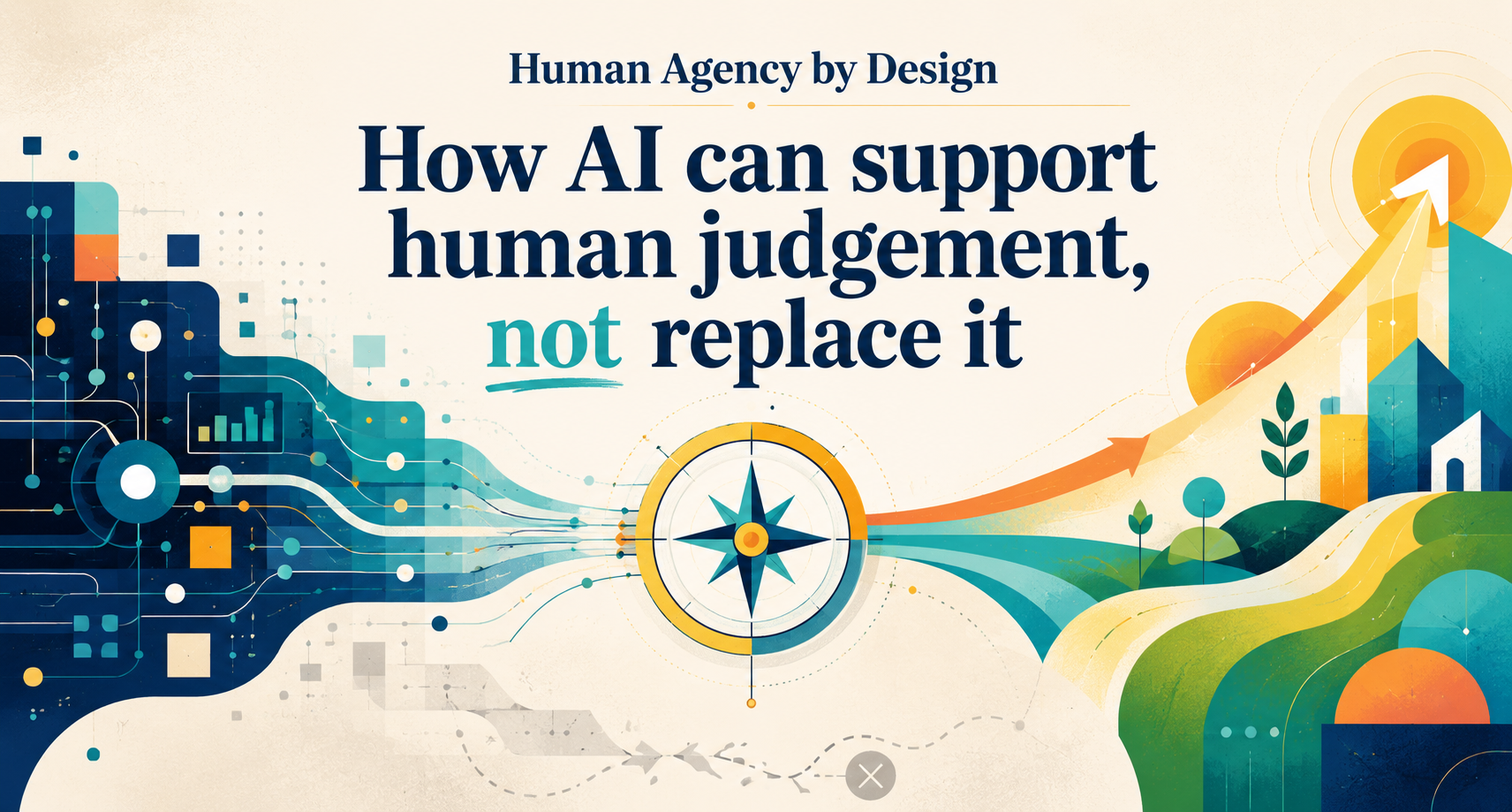
Artificial Intelligence, automation, changing work arrangements, economic uncertainty, and evolving personal aspirations are transforming how we think about work and life. In such a world, traditional career planning alone may no longer be enough.
The challenge is no longer simply choosing a profession. The challenge is learning how to design a meaningful and adaptable life.
Traditional career planning often assumes that:
However, modern careers rarely unfold in a straight line. People increasingly experience:
As a result, many individuals find themselves asking: “I followed the right path. Why do I still feel uncertain?” The answer often lies in the fact that a career is only one part of a larger life; we need to focus on career and life design.
Life Design is an approach inspired by design thinking principles and popularized through Stanford University’s Designing Your Life framework. Instead of searching for a single correct answer, Life Design encourages individuals to approach their future as an evolving design challenge.
Rather than asking:
“What career should I choose?”
Life Design asks:
“What kind of life do I want to create?”
This subtle shift changes everything.
Career becomes one component of a larger system that includes:
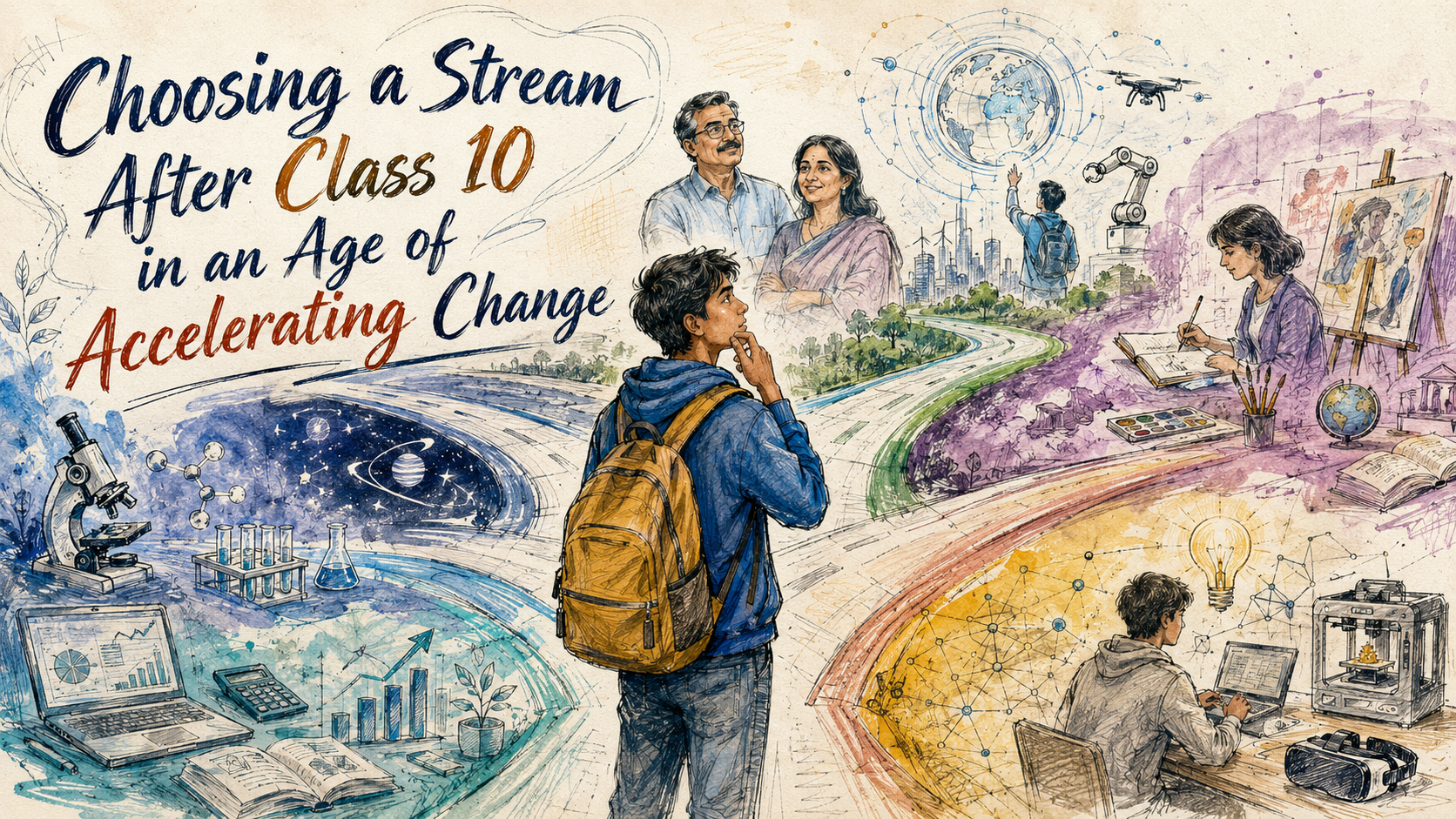
Many students focus on three immediate goals:
These are important goals.
But over time, people begin asking deeper questions:
When these questions emerge, career planning gradually evolves into life design.
Meaningful work is not necessarily about changing the world.
It is about understanding why your work matters to you and how it fits into the larger story of your life.
One of the most important assumptions of Life Design is that uncertainty is normal.
Many people delay decisions because they want certainty before acting.
Life Design suggests a different approach:
This is similar to how designers develop products.
Instead of trying to predict the future perfectly, they build prototypes, test assumptions, gather feedback, and improve continuously. Life Design applies the same logic to careers and life choices.
Modern career theories increasingly view careers as dynamic and evolving rather than fixed and predetermined.
The goal is not to discover a single ideal occupation.
The goal is to actively construct a life that aligns with:
This perspective recognizes that identity evolves over time.
What matters to you at age 18 may differ significantly from what matters at age 35 or 55.
Life Design acknowledges and embraces this reality.
A Life Design approach often involves:
Exploring:
Reflecting on:
Instead of searching for one perfect answer, creating multiple future pathways.
Trying ideas through:
Treating life as an evolving design rather than a fixed blueprint.
Artificial Intelligence is making information increasingly accessible.
AI can recommend courses, generate career suggestions, summarize occupations, and even help create resumes.
However, AI cannot determine:
These remain deeply human questions.
As AI takes over more routine tasks, the ability to design a meaningful and adaptable life may become one of the most important capabilities of the future.
The future cannot be predicted with certainty.
But it can be designed with intention.
Perhaps the most important question is not:
“What career should I choose?”
But rather:
“What kind of life do I want my career to help create?”
Because ultimately, we are not merely choosing careers.
We are designing our tomorrows.
To know more, Begin Your Journey with us.
Traditional career counselling often focuses on helping individuals choose among available career options. Life Design takes a broader perspective by connecting career decisions with personal values, relationships, wellbeing, purpose, and long-term life aspirations.
Life Design is relevant at any stage of life. It is particularly valuable during transitions such as career changes, mid-career dissatisfaction, relocation, retirement planning, or periods of uncertainty about future direction.
As AI changes jobs, industries, and skill requirements, career paths are becoming less predictable. Life Design helps individuals develop adaptability, clarity, and purpose, enabling them to navigate uncertainty and continuously redesign their futures.