
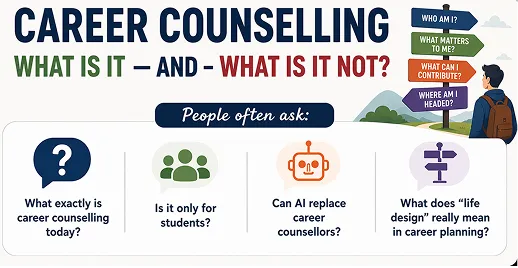
“What exactly is career counselling?”
“Is it only for students?”
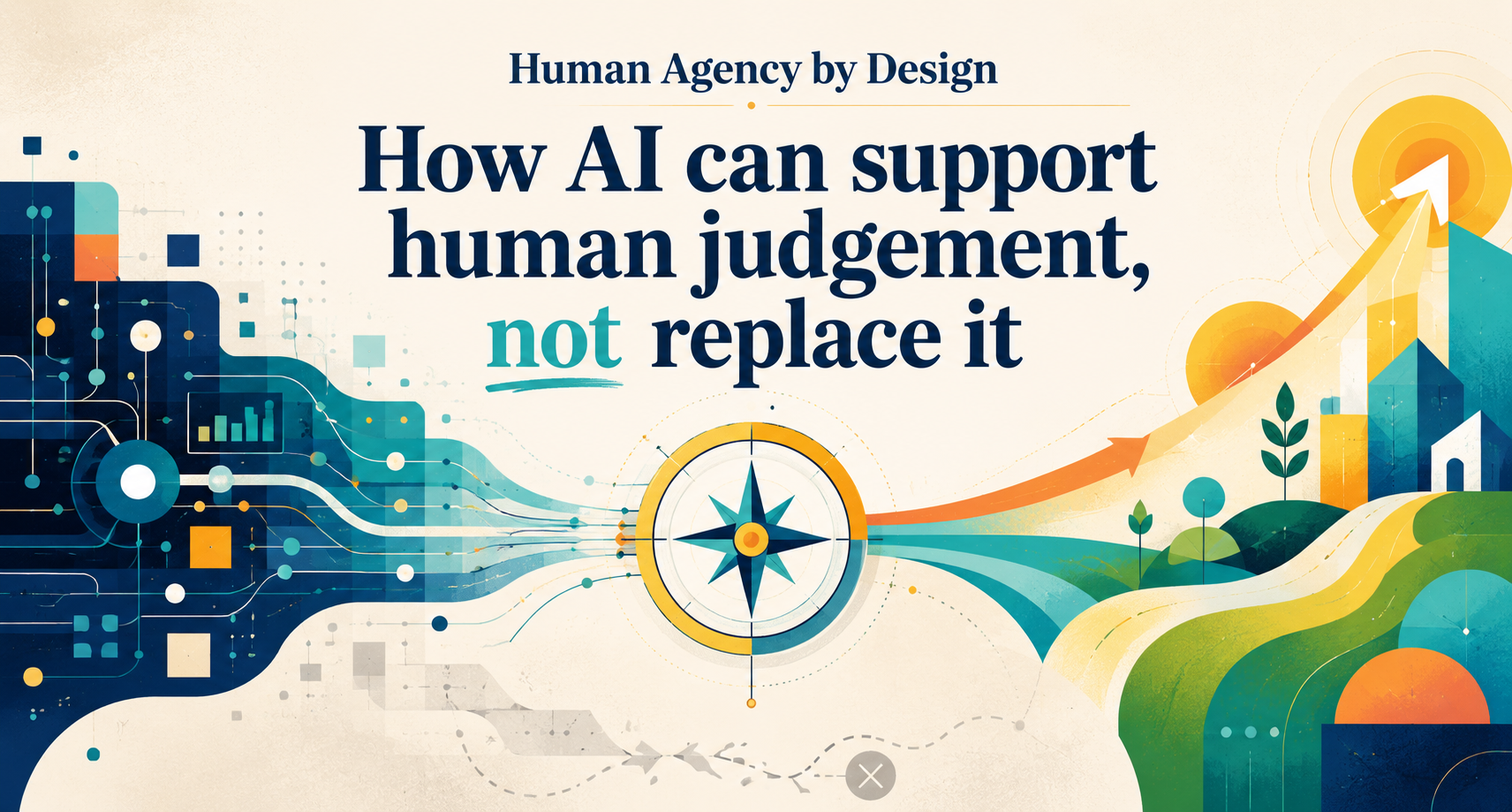
“Can AI replace career counsellors?”
“What does life design mean in career planning?”
These are not theoretical questions. They are real concerns expressed by students, professionals, and parents today.
And perhaps the confusion exists because career counselling itself is often misunderstood.
To move forward, it is important to clarify something fundamental:
👉 Career counselling is not what most people think it is.
Let us begin by clearing some common misconceptions.
Career counselling cannot be reduced to a few assessments and automated recommendations. While tools—and even AI—can process data, they cannot fully understand your personal context, life experiences, and evolving aspirations.
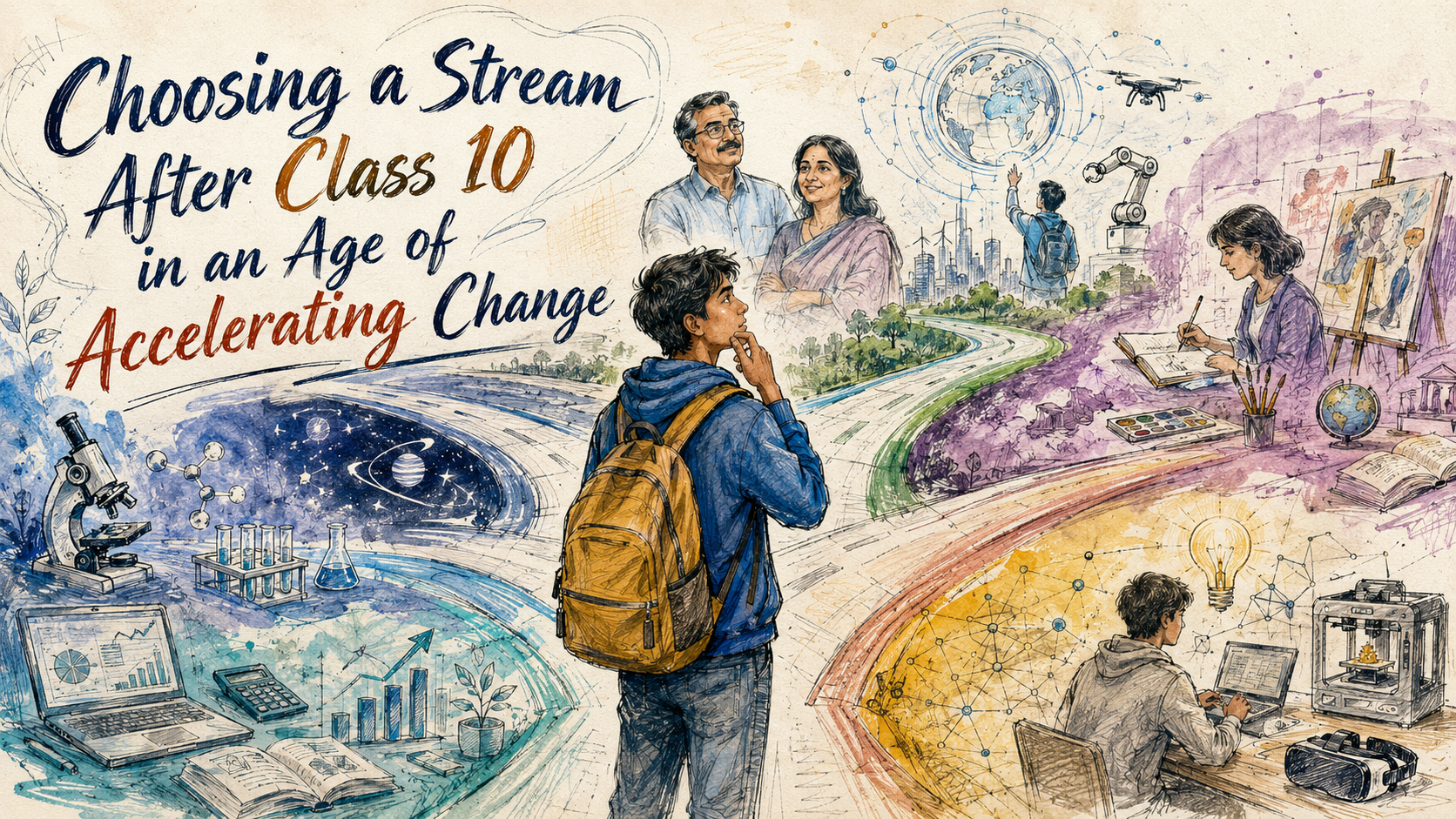
Choosing Science, Commerce, or Humanities is only one step in a much larger journey. Your career is not decided at one moment—it unfolds over time.
Frameworks like career clusters are useful maps. But they are not your destination. Your life cannot be reduced to a predefined category.
A meaningful life direction cannot be designed in a single session. It requires reflection, iteration, and time.
Once we move beyond these misconceptions, a clearer picture emerges.
Career counselling is not only for students. It is equally relevant for:
Career decisions taken in isolation often lead to success without satisfaction.
A more meaningful approach is to ask:
👉 What kind of life do I want to live?
Your career is not something you “choose once.”
It is something you continuously construct and redesign over time.
Modern approaches to career development are grounded in deeper frameworks:
These perspectives shift the question from:
❌ “Which career is right for me?” to
✅ “How do I design a meaningful life—and align my career with it?”
A well-designed process should help you:
Today, AI can suggest career options in seconds.
But the real question is:
👉 Can AI understand your life well enough to design it?
Technology can recommend.
But it cannot:
That requires a human, reflective, and contextual process.
Instead of asking:
👉 “What should I choose?”
You may begin to ask:
If you are:
You are not alone.
And more importantly—
👉 This is not a problem of lack of options.
👉 It is often a problem of lack of clarity.
Your future is not something to be guessed.
It is something to be designed.