

Every day we hear about the need for AI skills, AI literacy, and AI adoption.
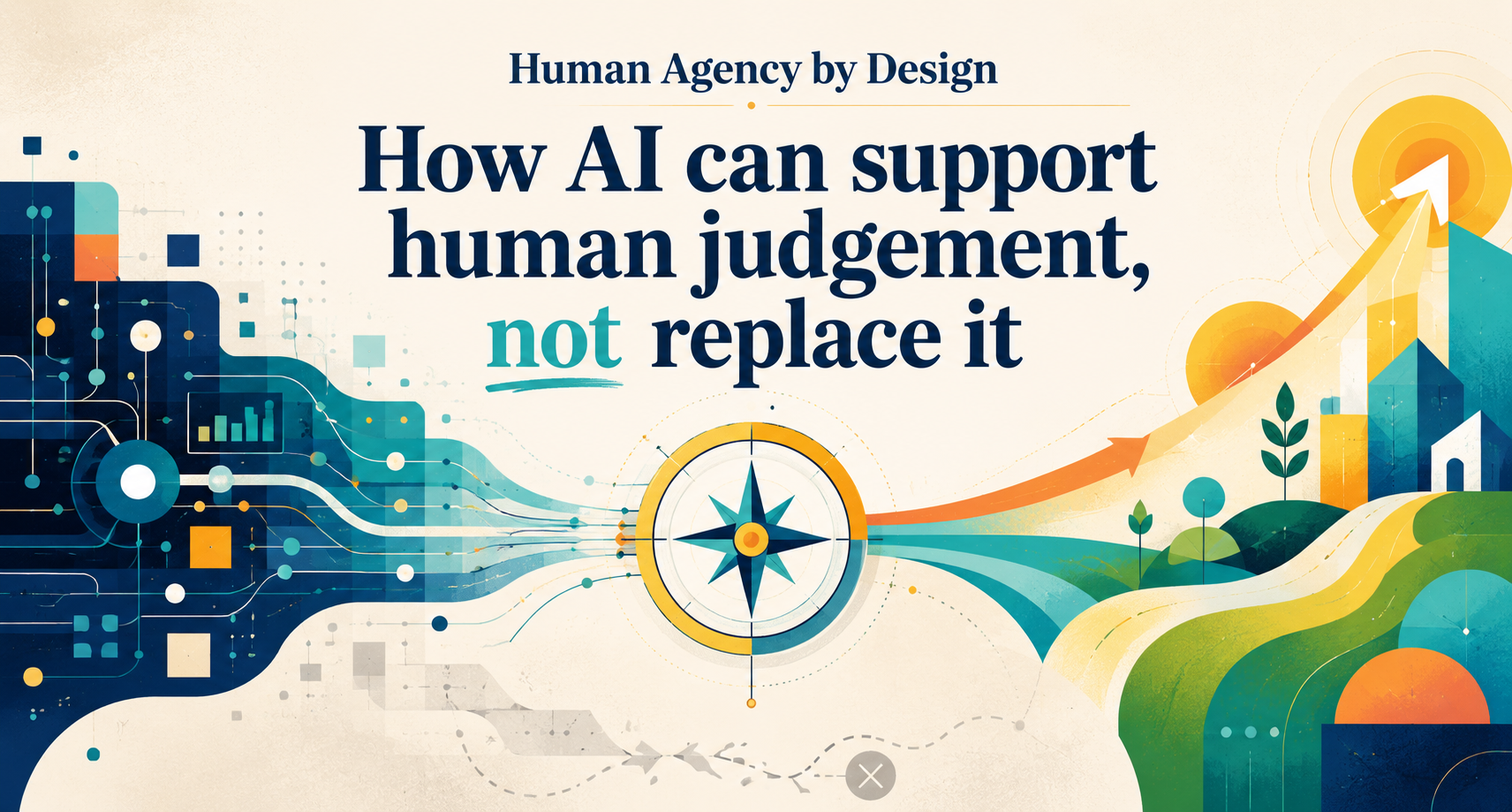
But I believe there is a more fundamental question we need to ask: What is the purpose of using AI?
Today, AI is increasingly being introduced into classrooms, workplaces, businesses, government programs, and community development initiatives. Yet much of the conversation remains focused on tools, prompts, and productivity.
Technology, however, derives its value not merely from what it can do, but from what it enables people to become.
This is where I propose the idea of Purposive AI.
Purposive AI is a human-centered approach that encourages individuals, communities, and institutions to use AI intentionally in pursuit of meaningful goals—whether learning, livelihood, creativity, entrepreneurship, personal growth, or social development.
Rather than asking:
“Which AI tool should I use?”
Purposive AI begins with:
“What problem am I trying to solve?”
“What future am I trying to create?”
“How can AI support that journey?”
In this sense, AI is not the destination; it is a means toward human flourishing.
This perspective draws inspiration from two important streams of scholarship:
>> Amartya Sen‘s Capability Approach, which emphasizes expanding people’s freedoms and capabilities to live the lives they value.
>> The Life Design paradigm (Savickas, 2012), which views individuals as active designers of their careers and lives in a rapidly changing world.
From this perspective, the success of AI should not be measured solely by efficiency gains, but also by its ability to enhance human capability, agency, inclusion, and meaningful participation in society.
As AI becomes increasingly pervasive, the challenge before us is not simply AI adoption.
It is ensuring that AI adoption remains purposeful, inclusive, and human-centered.
That, for me, is the promise of Purposive AI.
#PurposiveAI #AIForAll #HumanCenteredAI #LifeDesign #CapabilityApproach #FutureReadiness #AIforDevelopment #DigitalInclusion #SocialInformatics #CareerAndLifeDesign
References
Sen, A. (1999). Development as Freedom. Oxford University Press.
Savickas, M. L. (2012). Life Design: A Paradigm for Career Intervention in the 21st Century. Journal of Counseling & Development, 90(1), 13–19.