
When students and professionals think about career decisions, the discussion usually revolves around familiar questions:
These are important questions. But perhaps they are no longer sufficient.
In an era shaped by Artificial Intelligence, automation, economic uncertainty, and rapidly changing professions, many people are beginning to ask a deeper question:
What kind of life do I want to live—and what role should work play in that life?
This shift is subtle but significant.
The conversation is gradually moving from finding a job to finding meaningful work.
For decades, career planning was largely associated with:
These goals remain important.
However, many students and professionals today discover that achieving external success does not automatically create a sense of fulfillment.
A person may have a respectable job, a stable income, and professional recognition, yet still feel uncertain, disconnected, or dissatisfied.
Why does this happen?
Because career success and life satisfaction are not always the same thing.
Meaningful work goes beyond salary, designation, or status.
It refers to work that feels connected to:
Research suggests that meaningful work is closely associated with wellbeing, motivation, and long-term engagement. Work becomes more fulfilling when individuals experience a connection between what they do and why they do it.
Meaningful work does not necessarily mean changing the world.
It means understanding why your work matters—to you.
Today, information is abundant.
Students can access rankings, career databases, AI-generated recommendations, and countless online resources within seconds.
Yet confusion continues to grow.
This suggests that the problem is often not a lack of information.
It is a lack of clarity.
Many individuals are not struggling because they have too few options.
They are struggling because they are unsure how those options relate to the life they want to create.
Modern career platforms can evaluate:
These tools are useful.
But an important question remains:
No assessment can fully answer:
These are life questions—not merely career questions.
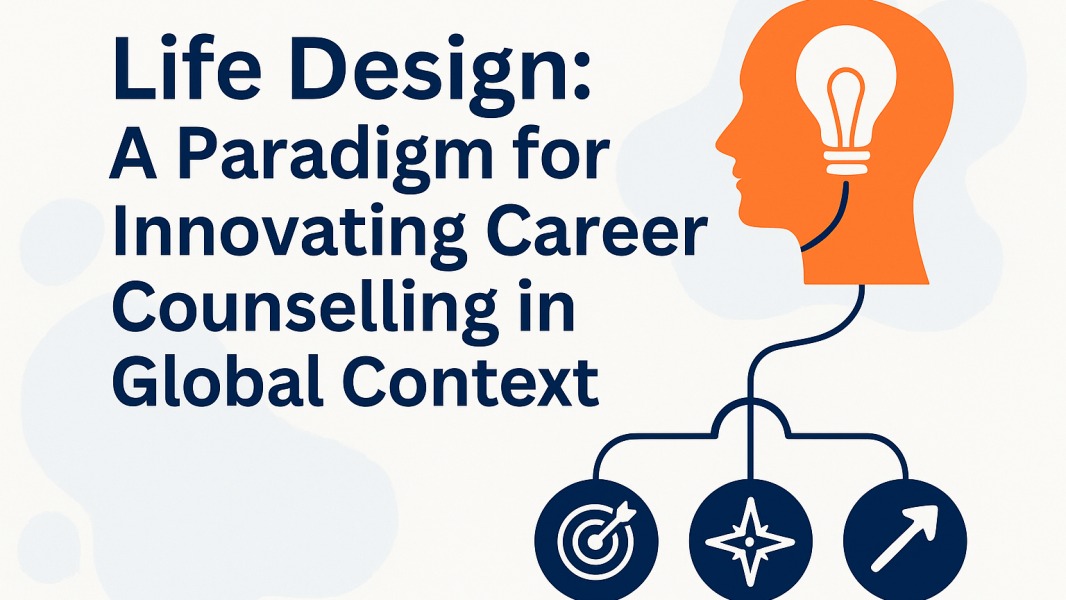
The Life Design approach offers a different way of thinking.
Instead of asking:
“Which career is right for me?”
it encourages us to ask:
“What kind of life do I want to design?”
Career is then viewed as one component of a larger life system.
This perspective recognizes that:
Therefore, the goal is not simply choosing correctly once.
The goal is learning how to continuously redesign one’s direction.
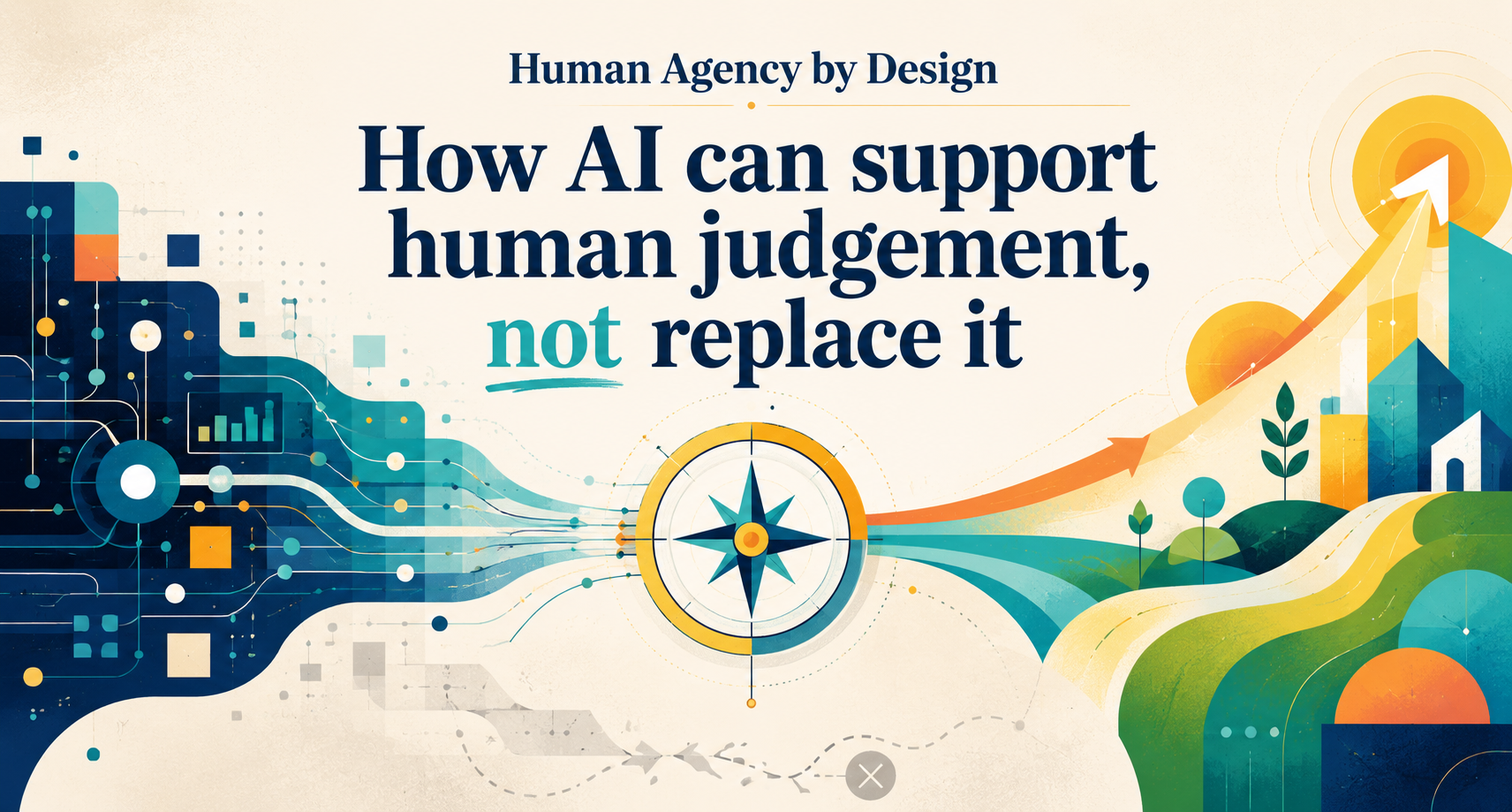
Artificial Intelligence is transforming industries, professions, and skill requirements at an unprecedented pace.
As routine tasks become increasingly automated, human value may depend less on predictable expertise and more on:
In such a world, the question may no longer be:
“What job will survive?”
but rather:
“How do I remain meaningful, adaptable, and relevant?”
This is why career development can no longer be separated from personal growth.
Many individuals seek counselling because they want answers.
But often, what they truly need is a better framework for asking questions.
Questions such as:
These questions help connect:
Perhaps the future challenge is not simply choosing the right career.
Perhaps it is learning how to design a meaningful life in a world where careers, technologies, and opportunities are constantly changing.
Because ultimately, a career is not just about earning a living.
It is also about creating a life worth living.